To provide Quality Rubber&Plastic Products for global customers


Revolutionize Your Filtration Process with Next-Generation Composite Rubber Diaphragm Plate
Aug 13,2024
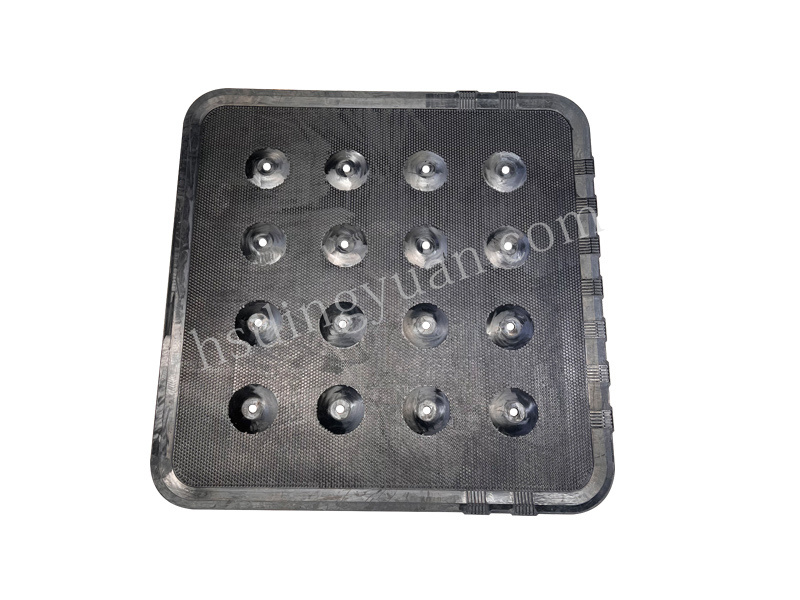
Revolutionize Your Filtration Process with Next-Generation Composite Rubber Diaphragm Plate
Table of Contents
- 1. Introduction to Composite Rubber Diaphragm Plates
- 2. What is Composite Rubber?
- 3. Benefits of Using Composite Rubber Diaphragm Plates
- 4. Applications of Composite Rubber Diaphragm Plates
- 5. How to Choose the Right Composite Rubber Diaphragm Plate
- 6. Installation Guide: Ensuring Optimal Performance
- 7. Maintenance Tips for Longevity
- 8. The Future of Filtration Technology
- 9. Frequently Asked Questions
- 10. Conclusion
1. Introduction to Composite Rubber Diaphragm Plates
In the ever-evolving world of industrial filtration, the demand for **high-performance filtration solutions** is at an all-time high. One of the most promising developments in this area is the **next-generation composite rubber diaphragm plate**. These innovative components are designed to significantly enhance the filtration process, providing not only efficiency but also sustainability. In this article, we will explore the unique characteristics, benefits, and applications of composite rubber diaphragm plates, allowing you to understand how they can revolutionize your operation.
2. What is Composite Rubber?
Composite rubber is a carefully engineered material that combines natural rubber with synthetic compounds to create a versatile and durable product. This fusion results in a material that offers enhanced resistance to wear, chemicals, and temperature variations, making it ideal for various industrial applications. The **composite rubber diaphragm plate** utilizes these properties to provide a reliable and efficient solution for filtration processes.
Key Features of Composite Rubber
- **Chemical Resistance**: Composite rubber is resistant to many industrial chemicals, which extends its lifespan and reliability.
- **Temperature Tolerance**: Designed to operate effectively across a wide temperature range, ensuring consistent performance.
- **Flexibility**: The inherent flexibility of rubber allows for better sealing and adaptability within filtration systems.
3. Benefits of Using Composite Rubber Diaphragm Plates
The advantages of utilizing **composite rubber diaphragm plates** in filtration systems are manifold. Here are some key benefits:
Enhanced Filtration Efficiency
Composite rubber diaphragm plates facilitate superior filtration by providing a more effective barrier against contaminants. Their design optimizes flow rates and reduces pressure loss, which is crucial for maintaining system efficiency.
Durability and Longevity
These diaphragm plates are engineered for longevity. Their resistance to wear and harsh conditions ensures they can withstand the rigors of industrial applications, resulting in lower replacement costs and reduced downtime.
Cost-Effectiveness
By improving filtration performance and extending service life, composite rubber diaphragm plates contribute to significant cost savings over time. They reduce the frequency of replacements and maintenance, allowing businesses to allocate resources more efficiently.
4. Applications of Composite Rubber Diaphragm Plates
Composite rubber diaphragm plates are versatile and can be employed in various industries:
Water Treatment Plants
In water treatment facilities, these plates help in the efficient separation of solids from liquids, ensuring clean water is delivered to consumers.
Food and Beverage Industry
The sanitary properties of composite rubber make it an excellent choice for food and beverage applications, where cleanliness and safety are paramount.
Chemical Processing
In the chemical industry, the robust chemical resistance of composite rubber diaphragm plates ensures they can handle aggressive substances without degrading.
Pharmaceutical Manufacturing
These plates are crucial in pharmaceutical applications, helping maintain the purity of products by preventing contamination during the filtration process.
5. How to Choose the Right Composite Rubber Diaphragm Plate
Selecting the appropriate diaphragm plate for your filtration needs requires careful consideration of several factors:
Material Compatibility
Ensure the composite rubber is compatible with the fluids being filtered. This compatibility is vital for maintaining the integrity of the filtration process.
Pressure and Temperature Ratings
Choose diaphragm plates that can withstand the operational pressure and temperature of your system to ensure reliable performance.
Size and Shape
The right dimensions are crucial for effective sealing and filtration. Measure the existing diaphragm plate and ensure the new plate matches these specifications.
6. Installation Guide: Ensuring Optimal Performance
Proper installation of composite rubber diaphragm plates is critical for achieving optimal filtration performance. Here are steps to follow:
Preparation
Before installation, ensure the area is clean, and all old materials are removed. Inspect the mounting surfaces for damage.
Alignment
Align the diaphragm plate accurately with the mounting hardware. Misalignment can lead to leaks and reduced efficiency.
Secure Fastening
Use appropriate fastening techniques to secure the diaphragm plate. Ensure that all bolts or screws are tightened to the manufacturer’s specifications.
7. Maintenance Tips for Longevity
To maximize the lifespan of your composite rubber diaphragm plates, regular maintenance is essential:
Routine Inspections
Conduct inspections to look for signs of wear, leaks, or damage. Early detection can prevent costly breakdowns.
Cleaning
Keep the diaphragm plates clean and free from debris. Use appropriate cleaning agents that do not damage the rubber material.
Replacement Scheduling
Establish a replacement schedule based on usage and environmental conditions to ensure your filtration system operates smoothly.
8. The Future of Filtration Technology
As industries continue to evolve, the demand for more efficient and sustainable filtration solutions grows. The development of **next-generation composite rubber diaphragm plates** represents a significant leap forward in filtration technology. Future innovations may include:
Smart Filtration Systems
Integrating sensors and IoT technologies to monitor filtration performance in real-time, providing data that can optimize processes.
Biodegradable Materials
Research into environmentally friendly materials for diaphragm plates that maintain performance while reducing environmental impact.
9. Frequently Asked Questions
What is the lifespan of a composite rubber diaphragm plate?
The lifespan varies based on usage, environment, and maintenance, but with proper care, they can last several years.
Can composite rubber diaphragm plates be used in high-temperature applications?
Yes, they are designed to perform well across a wide temperature range. However, it's essential to check specific product specifications.
Are composite rubber diaphragm plates resistant to chemicals?
Yes, they offer excellent chemical resistance, making them suitable for various industrial applications.
How do I clean composite rubber diaphragm plates?
Use mild cleaning agents and avoid abrasive materials. Rinse thoroughly and ensure they are dry before reinstallation.
What industries benefit most from composite rubber diaphragm plates?
Industries such as water treatment, food and beverage, chemical processing, and pharmaceuticals benefit significantly from their use.
10. Conclusion
In conclusion, **next-generation composite rubber diaphragm plates** stand out as a transformative solution for modern filtration processes. Their unique properties and numerous advantages make them an essential choice for various industries seeking to enhance efficiency and sustainability. By understanding the benefits, selecting the right components, and implementing proper maintenance practices, businesses can significantly improve their operational effectiveness. Revolutionize your filtration processes today by integrating composite rubber diaphragm plates into your systems.

Contact Us
E-mail :
Ying@hsdingyuan.com
Phone/WhatsApp:
+86-13031859588
Address:
No. 104, Jingzhou Shuangchuang Industrial New Area, Jing County, Hengshui City, Hebei Province


Request Quote