To provide Quality Rubber&Plastic Products for global customers


Enhancing Efficiency: Unveiling the Advantages of Composite Rubber Diaphragm Filter Plates
Aug 12,2024
Enhancing Efficiency: Unveiling the Advantages of Composite Rubber Diaphragm Filter Plates
Table of Contents
- 1. Introduction to Composite Rubber Diaphragm Filter Plates
- 2. What Are Composite Rubber Diaphragm Filter Plates?
- 3. Key Benefits of Using Composite Rubber Diaphragm Filter Plates
- 4. Applications of Composite Rubber Diaphragm Filter Plates
- 5. Installation and Maintenance of Filter Plates
- 6. Case Studies: Success with Composite Rubber Diaphragm Filter Plates
- 7. Frequently Asked Questions
- 8. Conclusion
1. Introduction to Composite Rubber Diaphragm Filter Plates
The demand for efficient filtration systems in various industrial sectors has led to the evolution of advanced filtration technologies. Among these innovations, **composite rubber diaphragm filter plates** stand out as a pivotal solution for optimizing filtration processes. These plates are engineered to enhance efficiency, reduce maintenance costs, and improve overall system performance.
2. What Are Composite Rubber Diaphragm Filter Plates?
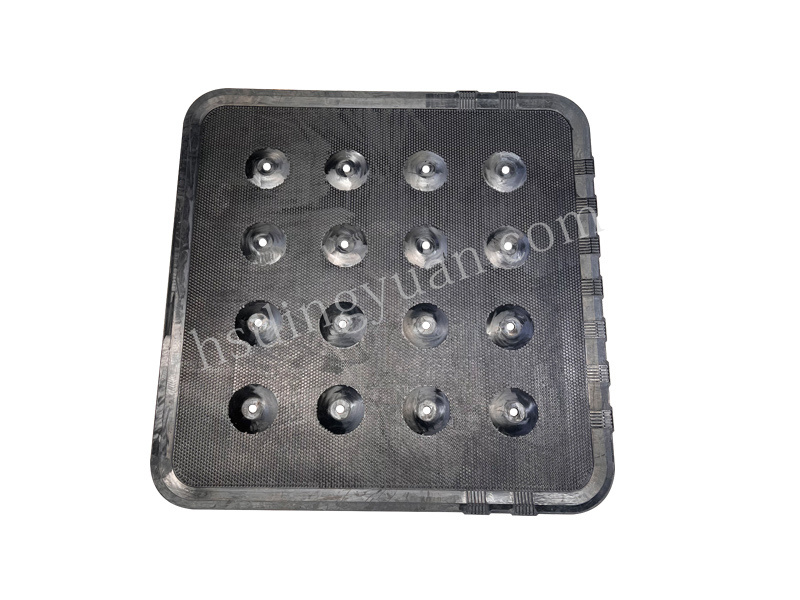
Composite rubber diaphragm filter plates are specialized devices used in filtration systems, primarily in industries requiring high-performance separation processes. Constructed from a robust combination of rubber and other composite materials, these filter plates feature a unique diaphragm structure that enhances their filtration capabilities. Their design allows for effective solid-liquid separation, making them an ideal choice for various applications.
3. Key Benefits of Using Composite Rubber Diaphragm Filter Plates
The advantages of composite rubber diaphragm filter plates are extensive. Below, we delve into some of their most significant benefits.
3.1 Durability and Longevity
One of the standout features of composite rubber diaphragm filter plates is their **durability**. Unlike traditional filter plates made from less resilient materials, composite rubber offers resistance to wear and tear, prolonging their lifespan. This durability means fewer replacements and reduced downtime, leading to significant cost savings in the long run.
3.2 Cost-Effectiveness
Investing in composite rubber diaphragm filter plates can yield substantial cost benefits. Although the initial investment may be higher than other filtration options, their longevity and reduced maintenance needs translate to lower operational costs. Additionally, the improved efficiency of these plates often results in better production rates, further enhancing their cost-effectiveness.
3.3 Improved Filtration Performance
Composite rubber diaphragm filter plates excel in providing **enhanced filtration performance**. Their design allows for a superior solid-liquid separation process, ensuring that only clean liquid passes through. This high level of filtration efficiency reduces the need for additional downstream processing, saving both time and resources.
4. Applications of Composite Rubber Diaphragm Filter Plates
The versatility of composite rubber diaphragm filter plates makes them suitable for a wide range of applications across different industries.
4.1 Industrial Applications
In industrial settings, these filter plates are commonly used in wastewater treatment, chemical processing, and mineral processing. Their ability to handle harsh chemicals and high pressures makes them invaluable in environments where traditional filters may fail.
4.2 Environmental Applications
In environmental applications, composite rubber diaphragm filter plates play a crucial role in **water purification** and **recycling processes**. Their effective filtration capabilities contribute to cleaner water sources and support sustainable practices within various sectors.
5. Installation and Maintenance of Filter Plates
Proper installation and maintenance of composite rubber diaphragm filter plates are essential for optimal performance. Installation typically involves aligning the plates in the filtration system, ensuring they are securely fastened, and checking for any leaks. Regular maintenance includes inspecting the plates for wear, cleaning them to prevent clogging, and replacing them when necessary. Following these procedures can significantly extend the lifespan of the filter plates and maintain high filtration efficiency.
6. Case Studies: Success with Composite Rubber Diaphragm Filter Plates
Numerous industries have reported success stories after integrating composite rubber diaphragm filter plates into their operations. For example, a mining company faced challenges with their filtering process, leading to significant material waste. After switching to composite rubber diaphragm filter plates, they observed a marked improvement in filtration efficiency, resulting in a 30% increase in recoverable materials. Similarly, a wastewater treatment facility noted a reduction in operational costs by 25% after implementing these advanced filter plates, showcasing their effectiveness in real-world applications.
7. Frequently Asked Questions
7.1 What materials are used in composite rubber diaphragm filter plates?
Composite rubber diaphragm filter plates are typically made from a combination of high-quality rubber and other composite materials designed to withstand harsh conditions.
7.2 How do I know if my filtration system needs an upgrade?
Signs that your filtration system may need an upgrade include frequent clogging, decreased efficiency, and increased maintenance costs. If you notice these issues, consider evaluating composite rubber diaphragm filter plates as a solution.
7.3 Can composite rubber diaphragm filter plates be customized?
Yes, many manufacturers offer customization options for composite rubber diaphragm filter plates, allowing you to tailor them to your specific filtration needs.
7.4 How do composite rubber diaphragm filter plates compare to traditional filter plates?
Composite rubber diaphragm filter plates offer superior durability, cost-effectiveness, and filtration performance compared to traditional options, making them a preferred choice for many industries.
7.5 What is the expected lifespan of composite rubber diaphragm filter plates?
The lifespan of composite rubber diaphragm filter plates can vary depending on usage conditions, but they are generally designed to last much longer than traditional filter plates due to their robust materials.
8. Conclusion
The integration of composite rubber diaphragm filter plates into filtration systems represents a significant advancement in industrial filtration technology. Their unique properties not only enhance filtration efficiency but also contribute to long-term cost savings and environmental sustainability. As industries continue to evolve, the adoption of these innovative filter plates will undoubtedly play a crucial role in achieving operational excellence. Embracing this technology is not just a step towards improving efficiency; it is a commitment to a more sustainable and productive future.
PREVIOUS:

Contact Us
E-mail :
Ying@hsdingyuan.com
Phone/WhatsApp:
+86-13031859588
Address:
No. 104, Jingzhou Shuangchuang Industrial New Area, Jing County, Hengshui City, Hebei Province


Request Quote