To provide Quality Rubber&Plastic Products for global customers


Unveiling the Secrets of Diaphragm Filter Plates for Superior Filtration Results
Aug 18,2024
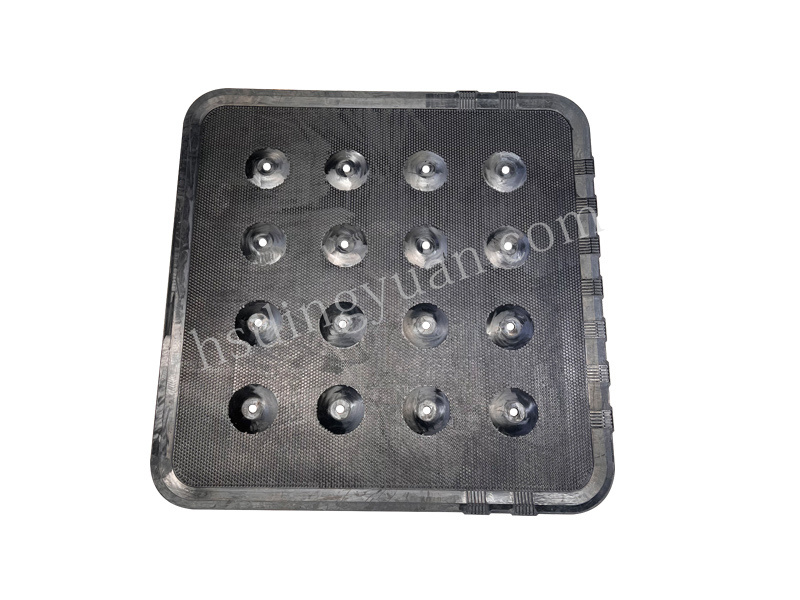
Introduction to Diaphragm Filter Plates
Diaphragm filter plates are innovative components used in industrial filtration systems to separate solids from liquids. These plates serve as a crucial part of the filtration process, ensuring that the results are efficient and reliable. The design and technology behind diaphragm filter plates allow for enhanced filtration, resulting in higher quality products and improved operational efficiency.
Understanding the Filtration Process
Filtration is the method of separating particles from a fluid by passing it through a medium that retains the particles while allowing the fluid to pass. The diaphragm filter plate plays a pivotal role in this process. This technique is widely used in various industries, including pharmaceuticals, food processing, and wastewater treatment.
The fundamental principle involves creating a pressure differential across the filter medium, which forces the fluid through the diaphragm and leaves behind the solid particles. Understanding this process is essential for optimizing filtration systems and achieving superior results.
Key Features of Diaphragm Filter Plates
Diaphragm filter plates are characterized by several unique features that enhance their performance:
1. Robust Construction
These plates are typically made from durable materials such as polypropylene or polycarbonate, ensuring they withstand high pressures and corrosive environments.
2. Flexible Diaphragm
The diaphragm's flexibility allows for efficient cake discharge and prevents clogging, ensuring smooth operation during the filtration process.
3. Optimized Flow Path
The design of diaphragm filter plates facilitates optimal fluid flow, maximizing the filtration area and enhancing overall efficiency.
4. Easy Maintenance
With their simple design, diaphragm filter plates are easy to maintain and replace, minimizing downtime in production processes.
Advantages of Using Diaphragm Filter Plates
Utilizing diaphragm filter plates in industrial filtration systems comes with numerous advantages:
1. Enhanced Filtration Efficiency
Diaphragm filter plates provide superior filtration capabilities, resulting in higher quality filtrate and reduced operational costs.
2. Increased Throughput
Due to their efficient design, these plates can process larger volumes of fluid, increasing productivity and throughput.
3. Versatility
They can be used in a wide range of applications, making them suitable for various industries, from food and beverage to chemicals.
4. Reduced Environmental Impact
By improving filtration efficiency, diaphragm filter plates help reduce waste and environmental impact across industrial processes.
Applications in Various Industries
Diaphragm filter plates are widely employed across numerous sectors due to their versatility and performance:
1. Pharmaceutical Industry
In pharmaceuticals, these plates are essential for producing high-quality products by ensuring that contaminants are effectively removed from liquids.
2. Food and Beverage Processing
They play a crucial role in the filtration of juices, wines, and other beverages, helping to achieve clarity and stability in products.
3. Chemical Manufacturing
In the chemical industry, diaphragm filter plates assist in separating solids from hazardous liquids, ensuring safe and efficient processes.
4. Wastewater Treatment
The use of diaphragm filter plates in wastewater treatment plants helps in the removal of solids, contributing to cleaner water and environmental protection.
Selecting the Right Diaphragm Filter Plate
When choosing diaphragm filter plates, several factors should be considered:
1. Material Compatibility
Ensure that the material of the diaphragm filter plate is compatible with the fluid being filtered to prevent chemical reactions or degradation.
2. Size and Capacity
Select a size that matches your system’s requirements and can handle the volume of fluid you need to filter.
3. Pressure and Temperature Ratings
Consider the operational pressure and temperature to ensure the filter plates can withstand the conditions without failure.
4. Specific Application Needs
Evaluate specific needs such as filtration precision, cake thickness, and desired filtration speed to choose the appropriate filter plate design.
Maintenance Tips for Diaphragm Filter Plates
To ensure longevity and optimal performance of diaphragm filter plates, regular maintenance is essential:
1. Regular Inspections
Conduct routine inspections to check for wear and tear, ensuring that any issues are addressed before they lead to failure.
2. Cleaning Protocols
Implement effective cleaning protocols to prevent fouling and clogging, which can negatively impact filtration efficiency.
3. Replace Worn Components
Timely replacement of worn or damaged plates is critical to maintaining filtration performance and preventing costly downtime.
4. Monitor Operational Parameters
Keep track of operating conditions such as pressure and flow rates to identify any deviations that may indicate maintenance needs.
FAQs About Diaphragm Filter Plates
1. What are diaphragm filter plates used for?
Diaphragm filter plates are used primarily for separating solids from liquids in various industrial applications, enhancing filtration efficiency.
2. How do diaphragm filter plates improve filtration?
Their design allows for better fluid flow and cake discharge, reducing clogging and maximizing the filtration area, leading to superior results.
3. What industries benefit from diaphragm filter plates?
Industries such as pharmaceuticals, food and beverage processing, chemical manufacturing, and wastewater treatment utilize diaphragm filter plates for their filtration needs.
4. How do I know if my diaphragm filter plate needs maintenance?
Regular inspections and monitoring of operational parameters will help identify any signs of wear, clogging, or reduced performance, indicating maintenance is required.
5. Can diaphragm filter plates be customized for specific applications?
Yes, diaphragm filter plates can be designed and manufactured to meet the specific requirements of different applications, including size and material specifications.
Conclusion
Diaphragm filter plates are essential components in the world of industrial filtration, offering numerous advantages that enhance efficiency and product quality. By understanding their features, applications, and maintenance needs, industries can optimize their filtration processes, leading to superior results. Whether you are in pharmaceuticals, food processing, or chemical manufacturing, investing in diaphragm filter plates can provide long-term benefits and contribute to sustainable operational practices.

Contact Us
E-mail :
Ying@hsdingyuan.com
Phone/WhatsApp:
+86-13031859588
Address:
No. 104, Jingzhou Shuangchuang Industrial New Area, Jing County, Hengshui City, Hebei Province


Request Quote