To provide Quality Rubber&Plastic Products for global customers


Customized Rubber Diaphragm Filter Plate: Precision Filtration for Diverse Industrial Applications
Mar 09,2025
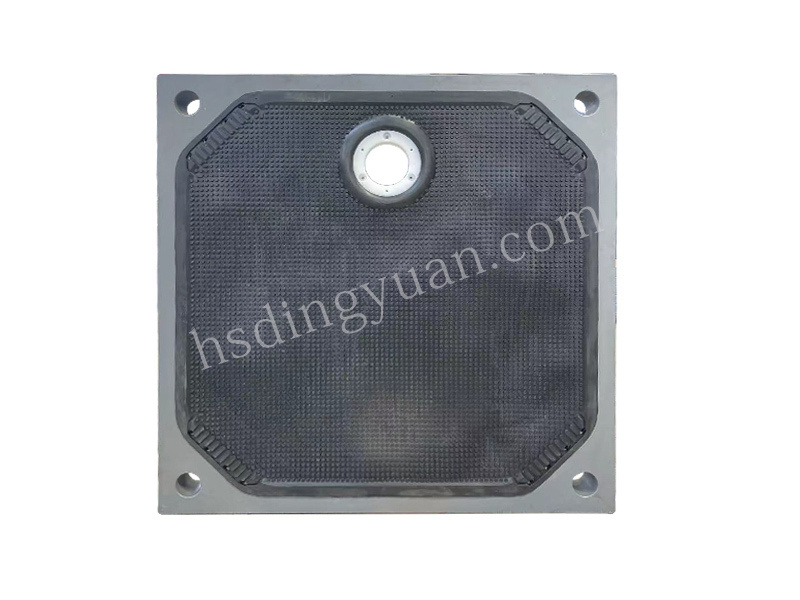
Customized Rubber Diaphragm Filter Plate for Precision Filtration Requirements
Table of Contents
- 1. Introduction to Filter Plates
- 2. The Importance of Precision Filtration
- 3. Understanding Rubber Diaphragm Filter Plates
- 4. Advantages of Customized Rubber Diaphragm Filter Plates
- 5. Common Applications of Rubber Diaphragm Filter Plates
- 6. Manufacturing Techniques for Customized Filter Plates
- 7. How to Select the Right Filter Plate for Your Needs
- 8. Maintenance Tips for Optimal Performance
- 9. Frequently Asked Questions
- 10. Conclusion
1. Introduction to Filter Plates
The industrial sector relies heavily on effective filtration systems to ensure product purity and operational efficiency. Among the various filtration technologies, the rubber diaphragm filter plate stands out as a versatile solution tailored for specific filtration needs. Understanding the dynamics of these filter plates can significantly impact operational success in industries ranging from food processing to chemical manufacturing.
2. The Importance of Precision Filtration
Precision filtration is crucial in numerous applications, where contaminants can lead to product degradation, safety hazards, or regulatory non-compliance. High-quality filtration systems contribute to:
- **Enhanced Product Quality**: Maintaining the integrity of products by removing impurities.
- **Increased Efficiency**: Streamlining processes by minimizing equipment downtime due to clogging or contamination.
- **Regulatory Compliance**: Adhering to industry standards and regulations to avoid legal penalties.
In this context, customized rubber diaphragm filter plates provide a tailored approach to meet the specific requirements of different filtration processes.
3. Understanding Rubber Diaphragm Filter Plates
Rubber diaphragm filter plates are specialized components used in filtration systems to separate solids from liquids. They are characterized by their flexible diaphragm, which facilitates efficient filtration while preventing leaks. Key features include:
- **Material Flexibility**: The rubber construction allows for adaptability in various pressure and temperature conditions.
- **Sealed Edges**: Prevents bypassing of unfiltered fluids, ensuring effective filtration.
- **Customizable Sizes and Shapes**: Tailored to fit specific filtration machinery, enhancing compatibility and performance.
These features make rubber diaphragm filter plates an excellent choice for precision filtration applications.
4. Advantages of Customized Rubber Diaphragm Filter Plates
Investing in customized rubber diaphragm filter plates offers multiple advantages that can significantly enhance filtration processes:
- **Tailored Solutions**: Custom designs ensure that the filter plates meet specific filtration requirements, optimizing performance.
- **Durability**: High-quality rubber materials provide resistance to wear and tear, extending the lifespan of the filter plate.
- **Cost-Effectiveness**: By reducing the need for frequent replacements and maintenance, customized filter plates can lower long-term operational costs.
- **Improved Filtration Efficiency**: Enhanced sealing and filtration capabilities result in better contaminant removal and higher product purity.
These benefits underline the value of choosing customized rubber diaphragm filter plates for your filtration needs.
5. Common Applications of Rubber Diaphragm Filter Plates
Customized rubber diaphragm filter plates find applications across various industries due to their versatility. Some of the most common applications include:
- **Food and Beverage Industry**: Ensuring the removal of unwanted particles in juice, wine, and beer production.
- **Chemical Manufacturing**: Filtration of chemical solutions to eliminate impurities and enhance product purity.
- **Pharmaceuticals**: Maintaining stringent hygiene standards by filtering out contaminants during drug production.
- **Mining and Mineral Processing**: Separating valuable minerals from slurry mixtures, enhancing recovery rates.
Each of these applications requires specialized filtration solutions, making customized filter plates essential for operational success.
6. Manufacturing Techniques for Customized Filter Plates
The production of customized rubber diaphragm filter plates involves several key manufacturing techniques:
- **Molding**: Utilizing advanced molding techniques to create precise shapes and sizes, ensuring compatibility with existing filtration systems.
- **Vulcanization**: A process that enhances the elasticity and durability of rubber, ensuring long-lasting performance.
- **Quality Control**: Rigorous testing during and after production to ensure that each filter plate meets industry standards for performance and reliability.
By employing these techniques, manufacturers can produce filter plates that not only meet but exceed performance expectations.
7. How to Select the Right Filter Plate for Your Needs
Choosing the right customized rubber diaphragm filter plate requires careful consideration of several factors:
- **Filtration Requirements**: Identify the size and type of particles that need to be filtered.
- **Operating Conditions**: Assess factors such as temperature, pressure, and chemical compatibility to select suitable materials.
- **Compatibility with Existing Equipment**: Ensure that the filter plate dimensions and designs align with your filtration system.
- **Cost Considerations**: Evaluate budget constraints while considering the long-term benefits of investing in quality filter plates.
Taking these factors into account will enable you to make informed decisions regarding your filtration needs.
8. Maintenance Tips for Optimal Performance
Proper maintenance is essential to ensure the longevity and efficiency of customized rubber diaphragm filter plates. Here are some maintenance tips to consider:
- **Regular Inspections**: Monitor the condition of the filter plates regularly for signs of wear or damage.
- **Cleaning Protocols**: Establish routine cleaning procedures to remove build-up and prevent clogging.
- **Proper Storage**: Store filter plates in a controlled environment to avoid degradation due to environmental factors.
- **Replacement Schedule**: Maintain a schedule for replacing worn or damaged plates to avoid operational disruptions.
Following these maintenance practices will help you achieve optimal filtration performance and extend the life of your filter plates.
9. Frequently Asked Questions
1. What materials are used in rubber diaphragm filter plates?
Rubber diaphragm filter plates are primarily made from high-quality rubber compounds, which offer durability, flexibility, and resistance to various chemicals.
2. How do I know if a customized filter plate is right for my application?
Assess your specific filtration requirements, including particle size, chemical compatibility, and operating conditions, to determine if a customized filter plate meets your needs.
3. Can I order filter plates in custom sizes?
Yes, manufacturers offer the option to create customized filter plates tailored to fit your specific machinery and operational requirements.
4. What industries benefit from using rubber diaphragm filter plates?
Industries such as food and beverage, pharmaceuticals, chemical manufacturing, and mining frequently utilize rubber diaphragm filter plates for their filtration needs.
5. How often should I replace my filter plates?
The replacement frequency depends on various factors, including the volume of material processed, the type of contaminants filtered, and the operating conditions. Regular inspections can help determine when replacements are necessary.
10. Conclusion
In summary, customized rubber diaphragm filter plates offer a practical and efficient solution for precision filtration requirements across various industries. By understanding their benefits, applications, and maintenance needs, businesses can significantly enhance their filtration processes and achieve higher product quality. Investing in high-quality, tailored filter plates not only ensures compliance with industry standards but also contributes to operational efficiency and cost-effectiveness. As the demand for reliable filtration solutions continues to grow, the importance of customized rubber diaphragm filter plates cannot be overstated.

Contact Us
E-mail :
Ying@hsdingyuan.com
Phone/WhatsApp:
+86-13031859588
Address:
No. 104, Jingzhou Shuangchuang Industrial New Area, Jing County, Hengshui City, Hebei Province


Request Quote