To provide Quality Rubber&Plastic Products for global customers


Enhancing Filtration Precision with High-Quality Filter Press Plates: A Comprehensive Guide
Jan 13,2025
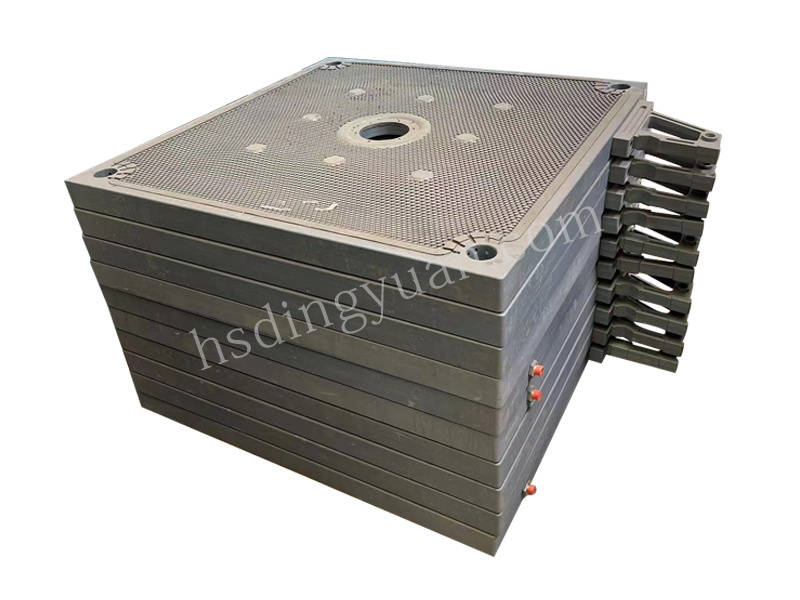
Enhancing Filtration Precision with High-Quality Filter Press Plates
Table of Contents
1. Introduction to Filter Press Plates
2. What Are Filter Press Plates?
3. The Importance of Quality in Filtration
4. Materials Used in High-Quality Filter Press Plates
5. Design Features That Enhance Performance
6. Applications of Filter Press Plates
7. Maintenance and Care of Filter Press Plates
8. Future Trends in Filtration Technology
9. Conclusion
10. Frequently Asked Questions
1. Introduction to Filter Press Plates
In the realm of industrial filtration, **filter press plates** play a pivotal role. These components are fundamental in separating solids from liquids, ensuring that processes run smoothly and efficiently. By understanding the technological advancements and innovative designs of filter press plates, industries can significantly enhance their filtration precision, leading to better product quality and operational efficiency.
2. What Are Filter Press Plates?
Filter press plates are essential components of **filter presses**, a type of equipment used in various industries for dewatering slurry. These plates are typically made of rigid materials and are designed to hold filter cloths that facilitate the separation of solids from liquids. When subjected to pressure, the liquid passes through the cloth while the solids remain trapped, creating a cake that can be removed for further processing.
Types of Filter Press Plates
There are two main types of filter press plates:
- **Recessed Filter Plates**: These plates have a recessed area that allows for a larger volume of cake formation, making them ideal for applications requiring higher solids content.
- **Membrane Filter Plates**: Featuring a flexible membrane, these plates can exert higher pressures on the cake, leading to better cake discharge and dryness.
3. The Importance of Quality in Filtration
The quality of filter press plates directly influences the effectiveness of the filtration process. High-quality plates ensure:
- **Increased Efficiency**: Enhanced separation capabilities reduce the time and energy needed for filtration.
- **Improved Durability**: Quality materials withstand harsh operating conditions, prolonging the lifespan of the equipment.
- **Cost Savings**: Efficient filtration processes lead to lower operational costs and reduced material wastage.
4. Materials Used in High-Quality Filter Press Plates
The performance and longevity of filter press plates depend significantly on the materials used in their manufacture. Common materials include:
- **Polypropylene**: A lightweight, corrosion-resistant option suitable for various applications.
- **Stainless Steel**: Known for its strength and durability, stainless steel is often used in high-pressure applications.
- **Cast Iron**: Provides robustness and is typically used in heavy-duty scenarios.
Choosing the Right Material
Selecting the appropriate material involves considering factors such as the chemical compatibility of the slurry, operating temperature, and pressure requirements. High-quality materials contribute to better filtration outcomes and lower maintenance costs.
5. Design Features That Enhance Performance
Modern filter press plates come equipped with innovative design features that enhance their performance:
- **Optimized Plate Geometry**: Plates designed with specific geometries can improve flow rates and cake release.
- **Sealing Technology**: Advanced sealing systems prevent leaks, ensuring that the filter press operates efficiently.
- **Anti-adhesive Coatings**: Coatings that reduce friction and prevent cake sticking aid in easier cake removal.
6. Applications of Filter Press Plates
Filter press plates find applications across various industries:
- **Mining and Metallurgy**: Used for tailings management and mineral processing.
- **Food and Beverage**: Essential for juice clarification and oil filtration.
- **Wastewater Treatment**: Effective in sludge dewatering processes.
Case Studies
Several industries have reported significant improvements in their filtration processes by investing in high-quality filter press plates. For instance, a mining company improved its recovery rates by over 20% after upgrading its filtration system.
7. Maintenance and Care of Filter Press Plates
To ensure optimal performance and longevity of filter press plates, regular maintenance is crucial:
- **Routine Inspections**: Check for wear and tear, especially around sealing areas.
- **Cleaning Protocols**: Implement proper cleaning methods to prevent clogging and contamination.
- **Timely Replacements**: Replace worn plates promptly to maintain filtration efficiency.
Best Practices
Establishing a maintenance schedule and training staff on the proper handling of filter press plates can significantly reduce downtime and enhance operational effectiveness.
8. Future Trends in Filtration Technology
The filtration industry is evolving, with emerging trends shaping the future of filter press plates:
- **Smart Technology Integration**: IoT-enabled systems for real-time monitoring and optimization.
- **Sustainable Materials**: Innovations in eco-friendly materials to support sustainable practices.
- **Enhanced Automation**: Increased automation for improved efficiency and reduced labor costs.
9. Conclusion
High-quality filter press plates are integral to enhancing filtration precision across various industries. By investing in superior materials and innovative designs, facilities can achieve more efficient filtration processes, leading to significant cost savings and improved product quality. As technology continues to evolve, staying abreast of the latest trends will empower industries to optimize their filtration systems and maintain a competitive edge.
10. Frequently Asked Questions
1. What is the primary function of filter press plates?
The primary function of filter press plates is to facilitate the separation of solids from liquids in industrial filtration processes.
2. How do I choose the right filter press plate for my application?
Choosing the right filter press plate involves considering the type of slurry, operating conditions, and required filtration efficiency.
3. What materials are commonly used in filter press plates?
Common materials include polypropylene, stainless steel, and cast iron, each suited for specific applications and conditions.
4. How can I extend the lifespan of my filter press plates?
Regular maintenance, including inspections and proper cleaning, can significantly extend the lifespan of filter press plates.
5. What are the latest trends in filtration technology?
Emerging trends include smart technology integration, sustainable materials, and enhanced automation to improve filtration efficiency and reduce costs.

Contact Us
E-mail :
Ying@hsdingyuan.com
Phone/WhatsApp:
+86-13031859588
Address:
No. 104, Jingzhou Shuangchuang Industrial New Area, Jing County, Hengshui City, Hebei Province


Request Quote