To provide Quality Rubber&Plastic Products for global customers


Revolutionizing Filtration Processes: The Evolution of Chemical Filter Plates
Oct 15,2024
Revolutionizing Filtration Processes: The Evolution of Chemical Filter Plates
Introduction to Chemical Filter Plates
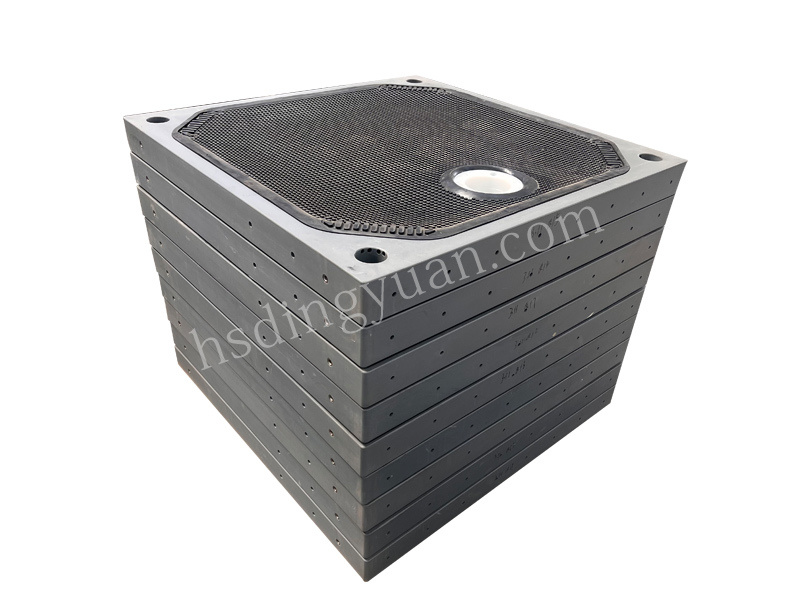
In the realm of industrial filtration, **chemical filter plates** play a pivotal role in ensuring the purity and clarity of various fluids. These plates are particularly essential in industries such as pharmaceuticals, chemicals, and food and beverage, where even minute impurities can lead to significant consequences. The evolution of chemical filter plates has revolutionized filtration processes, enhancing both efficiency and sustainability.
The Importance of Filter Plates in Modern Filtration Systems
Filter plates are vital components of filtration systems that facilitate the separation of solids from liquids. They are designed to withstand high pressures and corrosive environments, making them indispensable in various applications. The importance of filter plates extends beyond just their functionality; they also influence the overall efficiency of filtration operations, which can lead to reduced costs and improved product quality.
Understanding the Composition of Chemical Filter Plates
Chemical filter plates are typically made from materials like polypropylene, PVDF, and stainless steel, each offering distinct advantages.
- Polypropylene: Lightweight and resistant to many chemicals, making it ideal for a wide range of applications.
- PVDF (Polyvinylidene Fluoride): Known for its superior chemical resistance and durability, suitable for high-performance filtration.
- Stainless Steel: Offers strength and longevity, essential for high-pressure environments.
Innovations in Filter Plate Technology
The evolution of chemical filter plates has been marked by significant technological advancements. Manufacturers have developed **smart filter plates** equipped with sensors that monitor filtration processes in real-time. These innovations not only enhance operational efficiency but also provide valuable data for optimizing filter performance.
1. Enhanced Filtration Performance
The latest chemical filter plates are designed with improved surface areas and pore structures, allowing for more effective filtration. This results in higher flow rates and reduced energy consumption, making them more sustainable.
2. Automation and Smart Features
The integration of automation into filtration systems has led to the development of smart filter plates. These plates can communicate with central control systems, enabling operators to monitor performance and make adjustments as necessary. This advancement significantly reduces downtime and maintenance costs.
3. Eco-Friendly Materials
The industry is increasingly shifting toward eco-friendly materials for filter plate production. Biodegradable and recyclable materials are now being used, aligning with global sustainability goals and reducing the environmental impact of filtration processes.
The Impact of Chemical Filter Plates on Different Industries
The advancements in chemical filter plates have had a profound impact on various sectors.
1. Pharmaceutical Industry
In the pharmaceutical industry, the purity of compounds is paramount. The use of advanced chemical filter plates ensures that the final products are free from contaminants, thereby enhancing safety and efficacy.
2. Food and Beverage Sector
Food and beverage manufacturers rely on chemical filter plates to maintain the quality of their products. These plates help in removing unwanted particles and microorganisms, ensuring compliance with health regulations and improving product shelf-life.
3. Chemical Processing
In chemical processing, the ability to filter out impurities directly affects the quality of the end product. Modern filter plates enhance the efficiency of this process, resulting in cost savings and improved production rates.
Future Trends in Chemical Filter Plate Development
As industries continue to evolve, the demand for more efficient and sustainable filtration solutions grows. The future of chemical filter plates will likely be shaped by several key trends:
1. Increased Customization
Manufacturers are beginning to offer more customizable options for chemical filter plates, allowing businesses to tailor solutions to their specific needs. This trend enhances operational flexibility and efficiency.
2. Focus on Sustainability
With the global push for sustainability, filter plate manufacturers are exploring biodegradable and recyclable materials. This shift will likely define the next generation of chemical filter plates.
3. Integration of Advanced Technologies
The incorporation of digital technologies such as AI and machine learning into filtration processes will further enhance the efficiency and effectiveness of chemical filter plates.
Challenges Facing the Chemical Filter Plate Industry
Despite the advancements, the industry faces several challenges that need to be addressed:
1. High Production Costs
The initial investment required for advanced filter plates can be significant. However, the long-term savings in operational costs often justify this expense.
2. Regulatory Compliance
Navigating the complex world of regulations can be daunting for manufacturers. Ensuring compliance while pushing for innovation is a delicate balance that needs to be maintained.
3. Market Competition
With the rapid advancement of filtration technologies, competition is fierce. Companies must continuously innovate to stay ahead of the curve and meet the evolving demands of their customers.
Choosing the Right Chemical Filter Plates for Your Needs
Selecting the appropriate chemical filter plates for your specific applications requires careful consideration of several factors:
1. Material Compatibility
Ensure that the material of the filter plates is compatible with the chemicals being filtered. Conducting thorough research on material properties is essential.
2. Filtration Efficiency
Evaluate the filtration efficiency required for your operations. Consider the size and type of particles you need to remove.
3. Maintenance and Longevity
Investing in durable filter plates can save costs in the long run. Look for products that offer extended service life and require minimal maintenance.
FAQs About Chemical Filter Plates
1. What are chemical filter plates used for?
Chemical filter plates are used in various industries to separate solids from liquids, ensuring the purity and quality of the final product.
2. How do smart filter plates work?
Smart filter plates are equipped with sensors that monitor the filtration process in real-time, allowing for data-driven adjustments to improve efficiency and reduce downtime.
3. What materials are used in chemical filter plates?
Common materials include polypropylene, PVDF, and stainless steel, each chosen for their specific properties suitable for different applications.
4. How can I select the best filter plates for my industry?
Consider factors such as material compatibility, required filtration efficiency, and maintenance needs when selecting filter plates.
5. What are the future trends in chemical filter plate technology?
Future trends include increased customization, a focus on sustainability, and the integration of advanced technologies like AI and machine learning.
Conclusion
The evolution of chemical filter plates has undeniably transformed filtration processes across various industries. With advancements in technology, materials, and sustainability practices, these filtration solutions are more efficient and environmentally friendly than ever before. As we look to the future, the continuous innovation in chemical filter plates promises to enhance operational efficiency, reduce costs, and improve product quality across the board. Investing in the right chemical filter plates is crucial for businesses seeking to remain competitive and meet the demands of an ever-evolving market.

Contact Us
E-mail :
Ying@hsdingyuan.com
Phone/WhatsApp:
+86-13031859588
Address:
No. 104, Jingzhou Shuangchuang Industrial New Area, Jing County, Hengshui City, Hebei Province


Request Quote