To provide Quality Rubber&Plastic Products for global customers


Enhancing Efficiency: How Chemical Filter Press Plates Can Optimize Your Filtration System
Aug 08,2024
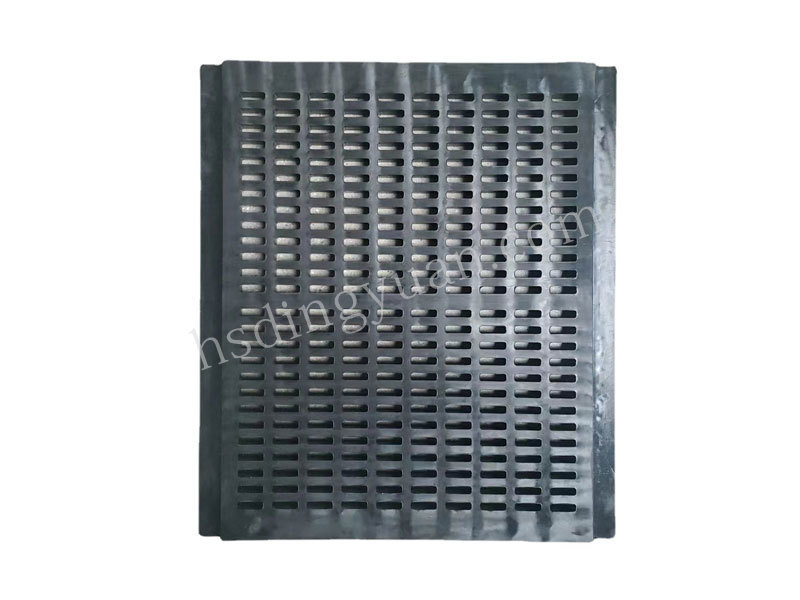
Enhancing Efficiency: How Chemical Filter Press Plates Can Optimize Your Filtration System
Table of Contents
- 1. Introduction to Chemical Filter Press Plates
- 2. What Are Chemical Filter Press Plates?
- 3. Advantages of Using Chemical Filter Press Plates
- 4. Choosing the Right Materials for Filter Press Plates
- 5. Design Features That Enhance Performance
- 6. Application Areas of Chemical Filter Press Plates
- 7. Installing and Maintaining Chemical Filter Press Plates
- 8. Future Trends in Filter Press Technology
- 9. Frequently Asked Questions
- 10. Conclusion
1. Introduction to Chemical Filter Press Plates
In the realm of industrial filtration, **chemical filter press plates** play a crucial role in ensuring efficiency and effectiveness. These plates are integral components of filter press systems, designed to separate solids from liquids within a variety of industrial processes. As industries strive for better productivity and sustainability, understanding the nuances of these components becomes essential.
2. What Are Chemical Filter Press Plates?
Chemical filter press plates are specialized components used in filter presses to facilitate the separation of solids from liquids. Typically made from high-quality materials such as polypropylene, stainless steel, or other synthetic composites, these plates are designed to withstand harsh chemical environments. Their primary function is to create a chamber where the filtration process occurs, allowing for efficient separation while maximizing the volume of solids retained.
2.1 The Construction of Filter Press Plates
These plates feature a **unique design** that includes a series of grooves and channels, allowing for optimal liquid flow and solid retention. The plates are usually rectangular, with a specific thickness that determines the amount of sludge that can be processed in a single cycle.
2.2 Types of Filter Press Plates
Filter press plates come in various types, including:
- **Membrane filter plates**: These plates feature a flexible membrane that allows for further squeezing of the cake, enhancing solid recovery.
- **Recessed chamber plates**: Designed for thickening and dewatering applications, these plates have a recessed area that collects the solids.
Choosing the right type depends on the specific application and desired outcomes.
3. Advantages of Using Chemical Filter Press Plates
The advantages of incorporating chemical filter press plates into your filtration system are numerous. Here are some key benefits:
3.1 Enhanced Filtration Efficiency
Chemical filter press plates significantly improve filtration efficiency by providing a larger surface area for liquid flow, allowing for faster and more effective separation.
3.2 Cost-Effectiveness
Utilizing these plates can reduce operational costs by minimizing waste and maximizing recovery rates. The durability of these materials also leads to lower replacement costs over time.
3.3 Versatility
These plates are suitable for a wide range of applications across various industries, including pharmaceuticals, food processing, and wastewater treatment.
3.4 Improved Product Quality
By efficiently separating solids from liquids, chemical filter press plates contribute to higher quality end products, reducing contaminants and enhancing the purity of the filtrate.
4. Choosing the Right Materials for Filter Press Plates
Selecting the appropriate materials for your filter press plates is critical for optimizing performance and longevity. Factors to consider include:
4.1 Chemical Compatibility
It is essential to choose materials that can withstand the specific chemicals involved in your processes. For instance, polypropylene is often used for its resistance to corrosive substances, while stainless steel offers strength and durability.
4.2 Temperature Resistance
Consider the temperature ranges your filtration process will encounter. Some materials perform better at high temperatures, while others may degrade under such conditions.
4.3 Mechanical Strength
The mechanical properties of the material must align with the pressures and stresses exerted during the filtration process. Stronger materials can handle higher pressures, enhancing the overall performance of the filtration system.
5. Design Features That Enhance Performance
The design of chemical filter press plates is not merely aesthetic; it plays a significant role in their functionality. Key design features include:
5.1 Surface Texture
The surface texture of filter press plates can influence the flow of liquid and the retention of solids. A rougher surface can enhance solid adhesion, while a smoother surface may facilitate better flow.
5.2 Plate Thickness
The thickness of the plates impacts the amount of solids that can be processed. Thicker plates allow for more sludge accumulation but may also require more energy to operate.
5.3 Drainage Channels
Incorporating effective drainage channels can improve liquid removal efficiency, leading to faster processing times and less downtime during filtration cycles.
6. Application Areas of Chemical Filter Press Plates
Chemical filter press plates find use in various sectors, showcasing their versatility and efficiency. Some key application areas include:
6.1 Wastewater Treatment
In wastewater treatment plants, these plates help separate solid waste from liquid, ensuring cleaner effluents and compliance with environmental regulations.
6.2 Chemical Processing
Industries involved in chemical manufacturing rely on filter press systems to purify products and recover valuable materials from by-products.
6.3 Food and Beverage Production
In food processing, filter press plates ensure that the final products are free from impurities, enhancing both safety and quality.
6.4 Mining and Metallurgy
In the mining sector, they are used for dewatering concentrates and tailings, playing a vital role in resource recovery and environmental protection.
7. Installing and Maintaining Chemical Filter Press Plates
Proper installation and maintenance are essential for maximizing the lifespan and efficiency of your filter press plates. Here are some best practices:
7.1 Installation Guidelines
Follow manufacturer specifications for correct installation. Ensure that the plates are aligned properly and that seals are tight to prevent leaks.
7.2 Regular Maintenance Checks
Routine inspections can detect wear and damage early. Regular cleaning of the plates extends their life and maintains filtration efficiency.
7.3 Replacement Planning
Plan for periodic replacement of filter press plates based on usage cycles and manufacturer recommendations to avoid unexpected breakdowns.
8. Future Trends in Filter Press Technology
As industries evolve, so does filter press technology. Future trends include:
8.1 Automation and Smart Technology
Integrating smart technologies into filter press systems can enhance operational efficiency through real-time monitoring and automated adjustments.
8.2 Advanced Materials
Research is underway to develop new materials that offer improved chemical resistance, temperature tolerance, and mechanical strength.
8.3 Sustainable Practices
The focus on sustainability is leading to the design of filter press systems that minimize waste and energy consumption while maximizing recovery rates.
9. Frequently Asked Questions
9.1 What are the key benefits of chemical filter press plates?
Chemical filter press plates enhance filtration efficiency, reduce operational costs, and improve product quality across various applications.
9.2 How do I know which materials to choose for my filter press plates?
Consider factors such as chemical compatibility, temperature resistance, and mechanical strength when selecting materials.
9.3 What maintenance is required for chemical filter press plates?
Regular inspections, cleaning, and timely replacements are crucial for maintaining the efficiency and longevity of filter press plates.
9.4 Can filter press plates be customized for specific applications?
Yes, many manufacturers offer customization options to tailor filter press plates to meet specific operational needs.
9.5 How do chemical filter press plates contribute to sustainability?
By maximizing recovery rates and minimizing waste, chemical filter press plates support sustainable industrial practices and environmental protection.
10. Conclusion
Incorporating **chemical filter press plates** into your filtration system represents a valuable investment in efficiency and productivity. With their superior materials, innovative designs, and versatile applications, these plates enable industries to optimize their filtration processes, enhance product quality, and achieve sustainability goals. As technology continues to evolve, staying informed about advancements in filter press technology will be essential for maintaining a competitive edge in your field.

Contact Us
E-mail :
Ying@hsdingyuan.com
Phone/WhatsApp:
+86-13031859588
Address:
No. 104, Jingzhou Shuangchuang Industrial New Area, Jing County, Hengshui City, Hebei Province


Request Quote