To provide Quality Rubber&Plastic Products for global customers


Enhancing Production Quality with Advanced Plate and Frame Filter Systems
Aug 06,2024
Enhancing Production Quality with Advanced Plate and Frame Filter Systems
Table of Contents
- 1. Introduction to Plate and Frame Filter Systems
- 2. Understanding Plate and Frame Filters
- 3. Key Advantages of Plate and Frame Filter Systems
- 4. Applications in Industrial Settings
- 5. Advanced Features That Enhance Filtration
- 6. Improving Operational Efficiency with These Systems
- 7. Choosing the Right Plate and Frame Filter System
- 8. Maintenance and Care for Longevity
- 9. Conclusion
- 10. Frequently Asked Questions (FAQs)
1. Introduction to Plate and Frame Filter Systems
In the realm of industrial filtration, **plate and frame filter systems** stand out for their efficiency and versatility. These systems play a vital role in enhancing production quality across various industries by providing superior filtration solutions. As businesses strive for higher standards and better product consistency, the demand for advanced filtration systems has never been greater. This article delves into how these systems can transform your production processes, ensuring that you achieve optimal results.
2. Understanding Plate and Frame Filters
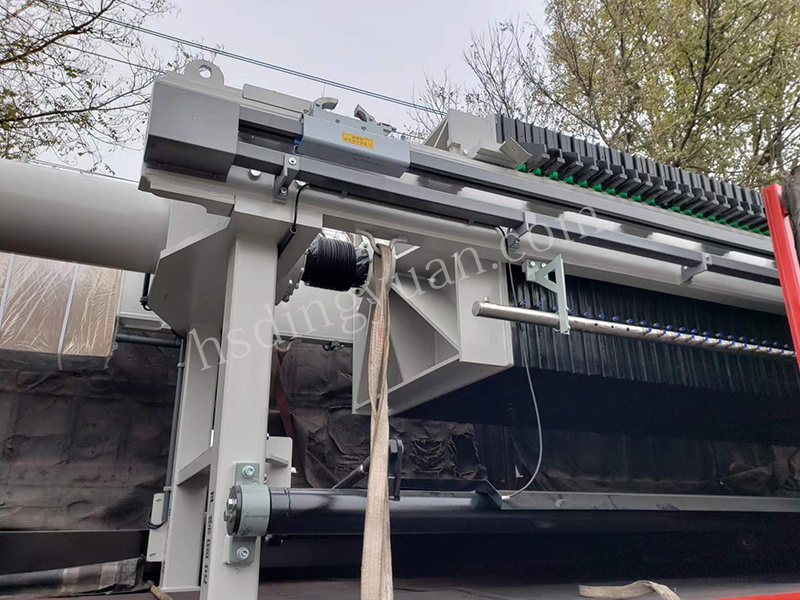
Plate and frame filters consist of alternating plates and frames that create filtration chambers. The plates are typically made of durable materials such as stainless steel, while the frames provide structural integrity. When a slurry or liquid is pumped through these chambers, the solids are trapped on the surface of the plates, while the clarified liquid passes through. This design allows for high filtration rates and easy cleaning, making it a preferred choice for many industrial applications.
How do Plate and Frame Filters Work?
The operation of plate and frame filters is straightforward yet effective. The process begins when a mixture is introduced into the system. As the liquid flows through the frames, pressure forces the liquid through the filter media, which retains the solid particles. This method not only enhances the quality of the final product but also minimizes waste and maximizes resource utilization.
3. Key Advantages of Plate and Frame Filter Systems
Investing in advanced plate and frame filter systems comes with numerous benefits that can significantly impact your production quality:
High Filtration Efficiency
These systems are designed to achieve high levels of clarity in the filtered liquid, ensuring that impurities are effectively removed. This efficiency is crucial in industries where product quality is paramount.
Versatility in Applications
Plate and frame filters are adaptable and can be used for a wide range of applications, from food and beverage processing to pharmaceuticals and chemical manufacturing. Their versatility makes them an ideal choice for various industries.
Cost-Effectiveness
While the initial investment may be higher than other filtering options, the long-term savings in operating costs, maintenance, and waste reduction can make plate and frame filters a cost-effective solution.
Easy Maintenance
The design of these systems allows for straightforward maintenance. Cleaning the plates is simple, and the modular design means that damaged components can be easily replaced without the need for extensive downtime.
4. Applications in Industrial Settings
Plate and frame filter systems can be utilized in various industrial settings. Here are some key applications:
Food and Beverage Industry
In the food and beverage sector, maintaining hygiene and product quality is critical. Plate and frame filters effectively remove unwanted particles from liquids, ensuring that the final products meet health and safety standards.
Pharmaceutical Manufacturing
The pharmaceutical industry demands stringent quality controls. These filtration systems help in the production of sterile products by removing contaminants, ensuring compliance with regulatory standards.
Chemical Processing
In chemical processing, plate and frame filters are used for separating solids from liquids, which is essential in processes such as polymer production and waste treatment.
5. Advanced Features That Enhance Filtration
Modern plate and frame filter systems come equipped with advanced features that further enhance their performance:
Automated Controls
With automation, these filters can be monitored and controlled remotely, allowing for real-time adjustments and improved process efficiency.
Temperature Control
Certain applications require specific temperature conditions. Advanced systems can include temperature control mechanisms, ensuring optimal filtration under varying conditions.
Customizable Designs
Manufacturers often offer customizable options, allowing businesses to choose the specifications that best fit their needs, whether it be the size, type of filter media, or frame design.
6. Improving Operational Efficiency with These Systems
Incorporating plate and frame filter systems into your production line can drastically improve operational efficiency:
Reduced Downtime
The ease of maintenance and quick cleaning processes contribute to shorter downtime, allowing for more consistent production cycles.
Minimized Waste Production
By effectively removing impurities, these systems reduce the amount of waste generated, leading to a more sustainable production process.
Enhanced Product Quality
With superior filtration capabilities, the end product's quality is significantly improved, leading to higher customer satisfaction and fewer returns.
7. Choosing the Right Plate and Frame Filter System
Selecting the appropriate plate and frame filter system involves several considerations:
Assessing Your Filtration Needs
Evaluate the specific requirements of your production process, such as the type of material being filtered, the desired clarity, and the volume of liquid to be processed.
Consulting with Experts
Collaborating with filtration experts can provide valuable insights and help in selecting a system that aligns with your operational goals.
Budget Considerations
While advanced systems may come with a higher initial cost, consider the long-term savings in maintenance, efficiency, and waste management.
8. Maintenance and Care for Longevity
Proper maintenance is crucial to ensuring the longevity and efficiency of plate and frame filter systems:
Regular Cleaning
Establish a routine cleaning schedule to prevent clogging and ensure optimal performance. Clean the plates thoroughly to maintain high filtration quality.
Inspections
Conduct periodic inspections to identify any wear and tear. Early detection of issues can prevent costly repairs and downtime.
Replacement of Components
Replace any damaged or worn components promptly. Keeping the system in good condition is essential for maintaining filtration efficiency.
9. Conclusion
In conclusion, **advanced plate and frame filter systems** are indispensable in enhancing production quality across various industries. Their efficiency, versatility, and advanced features make them an excellent investment for businesses looking to improve their filtration processes. By understanding their applications, benefits, and maintenance requirements, companies can leverage these systems to achieve higher product quality and operational efficiency. As industries continue to evolve, the adoption of these advanced filtration solutions will undoubtedly play a pivotal role in maintaining competitive advantage.
10. Frequently Asked Questions (FAQs)
What industries can benefit from plate and frame filter systems?
Plate and frame filter systems are beneficial in several industries, including food and beverage, pharmaceuticals, and chemical processing, where high filtration quality is essential.
How often should I clean my plate and frame filter system?
The cleaning frequency depends on your specific application and the type of material being filtered. However, a routine cleaning schedule is recommended to maintain optimal performance.
Can plate and frame filters handle high viscosity liquids?
Yes, advanced plate and frame filter systems can be designed to accommodate high viscosity liquids, but it’s essential to consult with the manufacturer for specific configurations.
What types of materials are used in plate construction?
Plates are typically made from durable materials like stainless steel or polypropylene, which can withstand various chemical exposures and are easy to clean.
How do I know which plate and frame filter system is right for my application?
Consider your specific filtration requirements, including the type of materials, desired filtration rate, and budget. Consulting with filtration experts can also provide guidance tailored to your needs.

Contact Us
E-mail :
Ying@hsdingyuan.com
Phone/WhatsApp:
+86-13031859588
Address:
No. 104, Jingzhou Shuangchuang Industrial New Area, Jing County, Hengshui City, Hebei Province


Request Quote