To provide Quality Rubber&Plastic Products for global customers


Maximize Industrial Filtration Performance with Cutting-Edge Rubber Diaphragm Filter Plate
Jul 31,2024
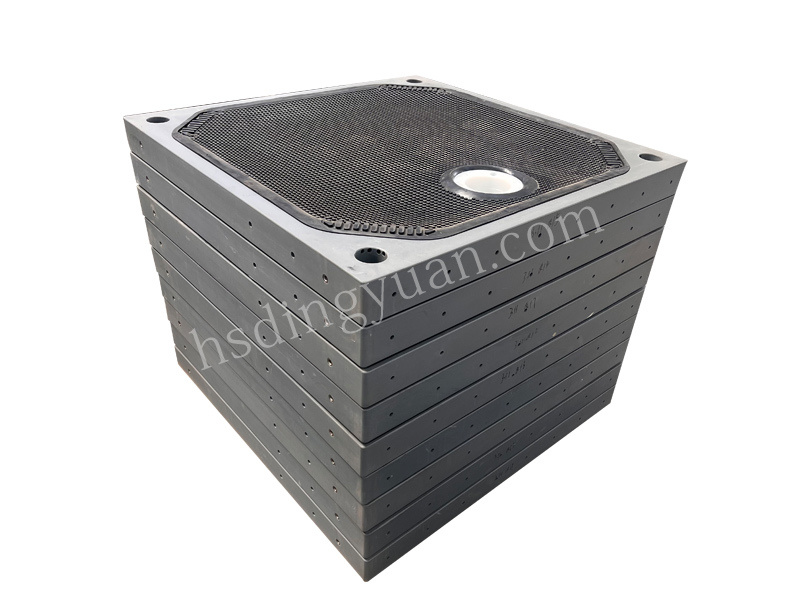
Maximize Industrial Filtration Performance with Cutting-Edge Rubber Diaphragm Filter Plate
Table of Contents
- 1. Introduction to Rubber Diaphragm Filter Plates
- 2. Understanding Industrial Filtration Systems
- 3. The Importance of Filter Plates in Filtration
- 4. What is a Rubber Diaphragm Filter Plate?
- 5. Advantages of Rubber Diaphragm Filter Plates
- 6. Applications in Industrial Settings
- 7. Installation and Maintenance Tips
- 8. Frequently Asked Questions
- 9. Conclusion: Elevating Filtration Efficiency
1. Introduction to Rubber Diaphragm Filter Plates
The industrial filtration sector is constantly evolving, driven by the need for enhanced efficiency and reliability. One of the most significant advancements in this field is the rubber diaphragm filter plate. These innovative components play a crucial role in optimizing filtration processes, enabling industries to achieve higher levels of purity and performance.
In this comprehensive guide, we will delve into the intricate details of rubber diaphragm filter plates, examining their design, functionality, and transformative impact on industrial filtration performance.
2. Understanding Industrial Filtration Systems
Industrial filtration systems are critical for sectors that require the removal of impurities from liquids and gases. From pharmaceuticals to food and beverage production, proper filtration ensures product quality and safety. A filtration system typically consists of a series of components, including filter media, filter plates, and pumps, each designed to work in unison.
The efficiency of a filtration system directly influences operational costs, environmental compliance, and product quality. As industries face increasing regulatory pressure and consumer demand for cleaner products, the role of advanced filtration technologies becomes ever more essential.
3. The Importance of Filter Plates in Filtration
Filter plates are essential components of any filtration system. They provide structural support for filter media and facilitate the separation of solids from liquids or gases. The design and material of filter plates significantly impact the overall performance of the filtration system.
High-quality filter plates enhance filtration efficiency, reduce maintenance requirements, and prolong the lifespan of the entire system. Therefore, selecting the right filter plate material and design is paramount for achieving optimal results.
4. What is a Rubber Diaphragm Filter Plate?
Rubber diaphragm filter plates are specialized filter plates made from durable rubber compounds. These plates are designed to withstand extreme pressure and temperature conditions commonly found in industrial filtration processes. The diaphragm acts as a barrier, allowing for efficient separation of solids while maintaining the integrity of the liquid or gas being filtered.
The unique properties of rubber, including flexibility and resistance to chemicals, make rubber diaphragm filter plates an ideal choice for various industrial applications. These plates are available in different configurations, sizes, and thicknesses to suit specific filtration needs.
5. Advantages of Rubber Diaphragm Filter Plates
Rubber diaphragm filter plates offer several advantages that enhance the performance of industrial filtration systems:
5.1 Durability and Longevity
The robust nature of rubber materials ensures that diaphragm filter plates can withstand harsh operating conditions, minimizing the risk of failure and extending their service life.
5.2 Enhanced Filtration Efficiency
Rubber diaphragm filter plates provide superior sealing capabilities, reducing the chance of bypassing filter media and ensuring that only the desired particles are removed from the process stream.
5.3 Easy Maintenance
The design of rubber diaphragm filter plates allows for straightforward installation and maintenance. This ease of use helps to reduce downtime in industrial operations.
5.4 Versatility
Rubber diaphragm filter plates are suitable for a wide range of applications, including chemical processing, wastewater treatment, and food production, making them a versatile choice for many industries.
5.5 Cost-Effectiveness
While the initial investment in rubber diaphragm filter plates may be higher than traditional materials, their longevity and efficiency often result in lower operational costs over time, making them a cost-effective solution.
6. Applications in Industrial Settings
Rubber diaphragm filter plates are utilized in various industrial settings due to their unique properties. Here are some key applications:
6.1 Chemical Processing
In chemical manufacturing, rubber diaphragm filter plates are used to separate solids from liquids during the production of chemicals, pharmaceuticals, and other products.
6.2 Water and Wastewater Treatment
These filter plates play a crucial role in municipal and industrial wastewater treatment plants, where they help remove contaminants and improve water quality.
6.3 Food and Beverage Industry
Rubber diaphragm filter plates are employed in the food and beverage sector to ensure that products meet safety standards by effectively removing impurities during processing.
6.4 Mining and Mineral Processing
In mining operations, these filter plates are used to separate valuable minerals from ore, enhancing recovery rates and overall efficiency.
7. Installation and Maintenance Tips
To maximize the performance of rubber diaphragm filter plates, proper installation and maintenance are essential. Here are some key tips:
7.1 Installation Guidelines
- Ensure the filter plate is compatible with the specific filtration system.
- Follow manufacturer guidelines for installation to guarantee optimal performance.
- Regularly inspect sealing surfaces to prevent leaks.
7.2 Maintenance Practices
- Perform routine maintenance to check for wear and tear.
- Clean filter plates according to manufacturer recommendations to avoid clogging.
- Replace damaged or worn-out plates promptly to maintain system efficiency.
8. Frequently Asked Questions
8.1 What materials are used in rubber diaphragm filter plates?
Rubber diaphragm filter plates are typically made from natural or synthetic rubber compounds that offer durability and chemical resistance.
8.2 How do rubber diaphragm filter plates improve filtration efficiency?
These plates provide excellent sealing capabilities, ensuring that only the desired particles pass through while preventing leaks and bypassing.
8.3 Are rubber diaphragm filter plates suitable for high-temperature applications?
Yes, many rubber diaphragm filter plates are designed to withstand high temperatures, making them suitable for various industrial settings.
8.4 What industries commonly use rubber diaphragm filter plates?
Rubber diaphragm filter plates are widely used in chemical processing, water treatment, food and beverage production, and mining.
8.5 How often should filter plates be replaced?
The replacement frequency depends on the specific application and usage conditions, but routine inspections can help determine when replacement is necessary.
9. Conclusion: Elevating Filtration Efficiency
Investing in cutting-edge rubber diaphragm filter plates is a strategic move for industries seeking to enhance their filtration processes. The durability, efficiency, and versatility of these filter plates make them an invaluable component in various applications.
By understanding their design, advantages, and proper maintenance, businesses can maximize their filtration performance, reduce operational costs, and ensure compliance with industry regulations. Adopting these innovative solutions will undoubtedly lead to significant improvements in product quality and operational efficiency.

Contact Us
E-mail :
Ying@hsdingyuan.com
Phone/WhatsApp:
+86-13031859588
Address:
No. 104, Jingzhou Shuangchuang Industrial New Area, Jing County, Hengshui City, Hebei Province


Request Quote