To provide Quality Rubber&Plastic Products for global customers


Enhancing Efficiency in Industrial Filtration with Innovative Filter Plate Technology
Jul 28,2024
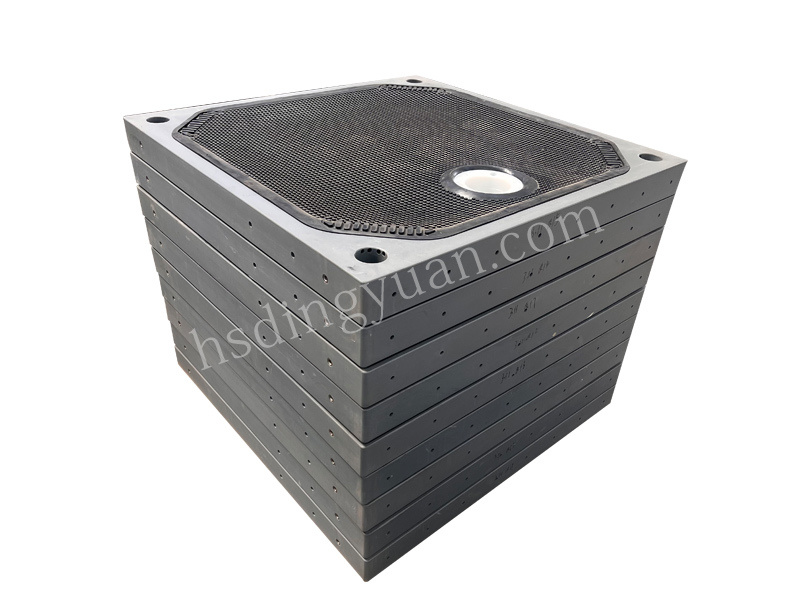
Enhancing Efficiency in Industrial Filtration with Innovative Filter Plate Technology
Table of Contents
- 1. Introduction to Industrial Filtration
- 2. Understanding Filter Plates and Their Role in Filtration
- 3. The Importance of Efficiency in Industrial Filtration
- 4. Innovative Filter Plate Technology: An Overview
- 5. Benefits of Advanced Filter Plates in Industrial Processes
- 6. Applications of Filter Plate Technology in Various Industries
- 7. The Future of Industrial Filtration and Filter Plate Innovations
- 8. Conclusion
- 9. FAQs
1. Introduction to Industrial Filtration
In the industrial sector, the need for effective filtration systems is paramount. Filtration plays a critical role in ensuring product quality, maintaining equipment efficiency, and protecting the environment. As industries evolve, the demand for filtration technologies that provide superior performance while minimizing operational costs has surged. Innovative filter plate technology is at the forefront of this transformation, offering solutions that enhance the efficiency of filtration processes across various applications.
2. Understanding Filter Plates and Their Role in Filtration
Filter plates, often made from materials such as polypropylene, stainless steel, or other composites, are essential components in various filtration systems, including belt presses, filter presses, and membrane filtration devices. They act as barriers that trap solid particles while allowing liquids or gases to pass through. The design and material of filter plates influence their filtering capabilities, lifespan, and overall efficiency.
2.1 Types of Filter Plates
Several types of filter plates exist, each designed for specific applications and filtration requirements:
- **Recessed Filter Plates**: These are commonly used in filter presses, featuring a recessed area that increases the volume of the cake formed during the filtration process.
- **Membrane Filter Plates**: These plates have a membrane that can be inflated to enhance cake discharge and improve the washing process.
- **Frame Filter Plates**: Used in various applications, these plates provide structural support while allowing for efficient filtration.
3. The Importance of Efficiency in Industrial Filtration
Efficiency in industrial filtration systems directly influences production quality and operational costs. High-efficiency filtration reduces waste, optimizes resource use, and extends the lifespan of equipment by preventing contamination. Moreover, efficient filtration systems contribute to compliance with environmental regulations by minimizing pollutants released into the atmosphere and waterways.
3.1 Key Performance Indicators for Filtration Efficiency
Evaluating the efficiency of filtration systems involves several key performance indicators (KPIs), such as:
- **Filtration Rate**: The speed at which the filtration process occurs.
- **Cake Moisture Content**: The residual moisture in the solid cake after filtration.
- **Throughput**: The amount of liquid processed over a specific period.
4. Innovative Filter Plate Technology: An Overview
Recent advancements in filter plate technology have introduced innovative designs and materials that significantly enhance filtration efficiency. These advancements include:
- **Enhanced Surface Area**: Modern filter plates are designed with increased surface area to improve filtration capacity and efficiency.
- **Durability and Chemical Resistance**: New materials offer greater resistance to wear, corrosion, and chemical damage, ensuring longevity and reliability.
- **Modular Designs**: Modular filter plates allow for easy customization and maintenance, catering to specific operational needs.
4.1 Integration of Smart Technologies
The incorporation of smart technologies, such as IoT sensors and automation, into filter plate systems is transforming the filtration landscape. These technologies enable real-time monitoring, predictive maintenance, and data analytics, allowing industries to optimize their filtration processes dynamically.
5. Benefits of Advanced Filter Plates in Industrial Processes
The adoption of advanced filter plate technology brings numerous benefits to industrial filtration processes:
- **Increased Efficiency**: Improved design and materials result in higher filtration rates and reduced operational downtime.
- **Cost Savings**: Enhanced durability leads to lower maintenance costs and prolonged equipment life.
- **Environmental Compliance**: Advanced filtration systems contribute to cleaner production processes, aiding in regulatory compliance.
5.1 Case Studies of Efficiency Improvements
Numerous case studies illustrate the benefits of integrating innovative filter plate technology. For example, a chemical manufacturing plant that transitioned to membrane filter plates reported a 30% increase in filtration efficiency and a significant reduction in waste disposal costs.
6. Applications of Filter Plate Technology in Various Industries
Filter plate technology is employed across various industries, demonstrating its versatility and effectiveness:
- **Food and Beverage Industry**: Used for clarifying juices, oils, and other liquids, ensuring purity and quality.
- **Pharmaceuticals**: Critical for maintaining sterility and precision in drug manufacturing processes.
- **Mining and Minerals**: Essential in separating valuable minerals from waste material, optimizing resource extraction.
6.1 Sector-Specific Innovations
Different sectors have seen tailored innovations in filter plate technology, addressing specific challenges and enhancing operational efficiency. For example, the mining industry has adopted specialized filter plates designed to withstand high pressures and abrasive materials.
7. The Future of Industrial Filtration and Filter Plate Innovations
The future of industrial filtration is bright, with ongoing research and development aimed at improving filter plate technology. Emerging trends include:
- **Sustainable Materials**: The shift towards eco-friendly materials that minimize environmental impact.
- **Smart Filtration Systems**: Integration of AI-driven analytics for real-time optimization and predictive maintenance.
- **Customization and Flexibility**: Increased demand for customizable solutions that cater to specific industry needs.
7.1 The Role of Industry Collaboration
Collaboration between manufacturers, researchers, and industry professionals is essential for driving innovation in filter plate technology. This collaboration fosters knowledge sharing and accelerates the development of cutting-edge solutions.
8. Conclusion
Innovative filter plate technology is revolutionizing industrial filtration processes, enhancing efficiency, and improving overall performance across various sectors. As industries continue to evolve, the importance of adopting advanced filtration solutions cannot be overstated. The benefits of increased efficiency, cost savings, and environmental compliance make investing in innovative filter plate technology a strategic priority for companies striving to enhance their operational capabilities.
9. FAQs
What are filter plates used for?
Filter plates are used in various filtration systems to separate solid particles from liquids or gases, contributing to product quality and environmental protection.
How do advanced filter plates improve efficiency?
Advanced filter plates improve efficiency by enhancing the filtration rate, reducing cake moisture content, and increasing the overall throughput of the filtration process.
What materials are commonly used for filter plates?
Common materials for filter plates include polypropylene, stainless steel, and composite materials, each chosen for their durability and chemical resistance.
Can filter plate technology be customized for specific industries?
Yes, filter plate technology can be customized to meet the unique requirements of various industries, including food and beverage, pharmaceuticals, and mining.
What is the future of filter plate technology?
The future of filter plate technology includes advancements in sustainable materials, smart filtration systems, and greater customization options to enhance efficiency and minimize environmental impact.

Contact Us
E-mail :
Ying@hsdingyuan.com
Phone/WhatsApp:
+86-13031859588
Address:
No. 104, Jingzhou Shuangchuang Industrial New Area, Jing County, Hengshui City, Hebei Province


Request Quote